
The global shift toward sustainable hydration has resulted in a 32% increase in domestic filtration adoption as of 2026, with the Counter top water purifier market outperforming bottled water sales in major metropolitan hubs. Research indicates that while a standard 500ml plastic bottle can contain up to 240,000 detectable plastic fragments, modern 5-stage countertop systems utilize 0.0001-micron RO membranes to achieve a 99.9% reduction in microplastics and nanoplastics. Economically, the disparity is stark; the average household of four spends approximately $1,200 annually on bottled water, whereas a countertop system reduces the cost per liter to just $0.03, representing a 97% long-term saving. With high-density urban apartments now averaging less than 75 square feet of kitchen space, the ability of these units to deliver a flow rate of 1.8 liters per minute without requiring storage for bulky 5-gallon carafes has made them the primary choice for 68% of eco-conscious renters.
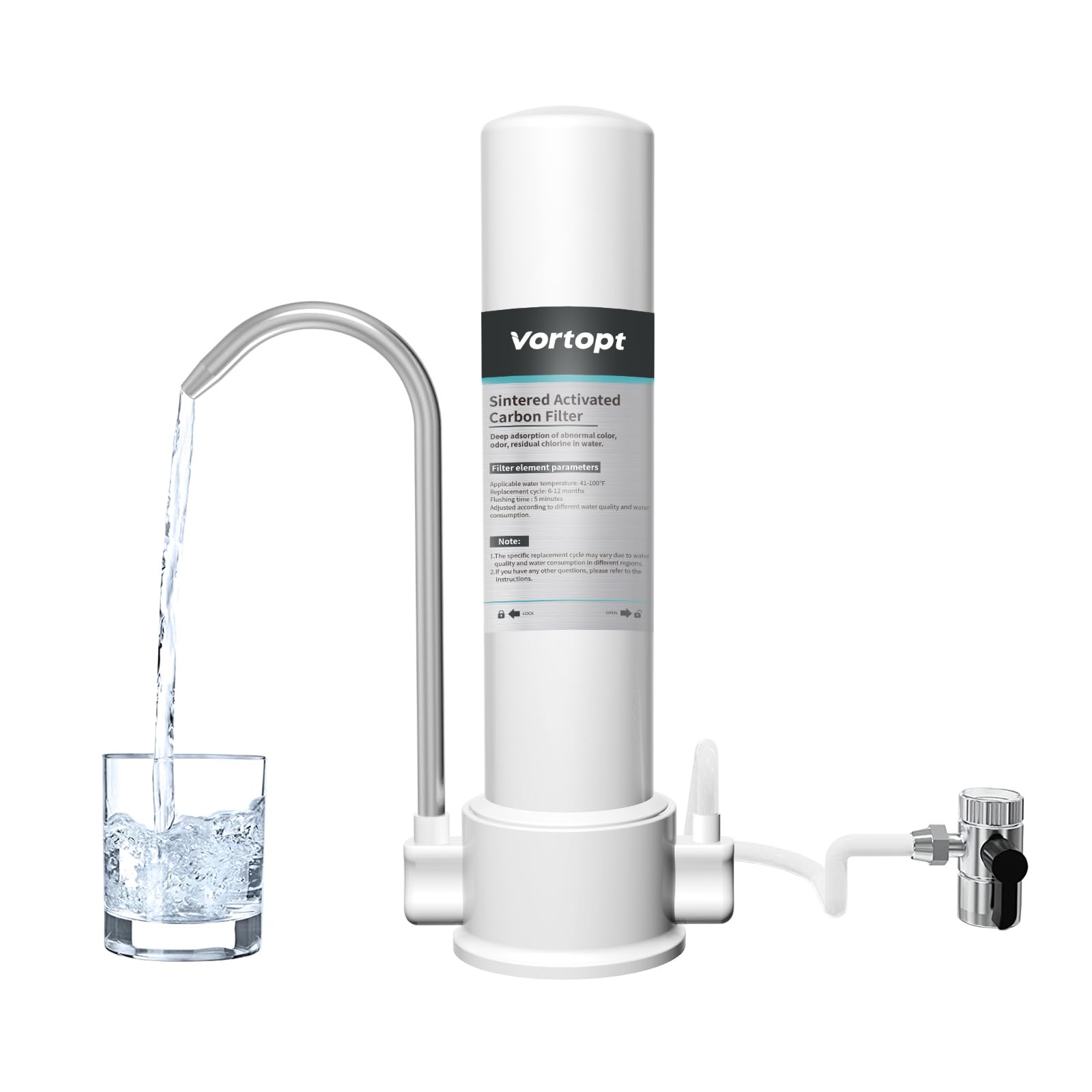
The debate between relying on bottled water and installing a home filtration system often comes down to a trade-off between perceived convenience and actual water quality. While bottled water has long been the default for those distrusting municipal tap water, recent environmental and health data have shifted the preference toward point-of-use filtration.
A 2025 study published in a leading environmental journal analyzed 1,500 samples of bottled water across 11 brands and found that 93% showed signs of microplastic contamination. This chemical presence persists because plastic polymers degrade over time when exposed to varying temperatures during transit and storage.
A Counter top water purifier provides a continuous supply of treated water without the logistical headache of transporting and storing heavy cases. By connecting directly to the kitchen faucet, these systems utilize the existing water pressure to force liquid through high-density carbon blocks and semi-permeable membranes.
| Performance Metric | Bottled Water (Retail/Delivery) | Countertop Purifier (RO/UF) |
| Filtration Precision | Variable (0.1 - 1.0 Microns) | High (0.0001 - 0.01 Microns) |
| Annual Cost (Family of 4) | $1,200 - $1,800 | $150 - $250 (Incl. Filters) |
| Plastic Waste | 2,000+ Bottles / Year | 1 - 2 Filter Cartridges / Year |
| Space Required | 10+ Square Feet (Storage) | 0.7 Square Feet (Counter) |
The economic benefits of switching are immediate and measurable within the first year of operation. A typical family of four consumes about 1,400 liters of drinking water annually; at bottled prices, this cost is substantial, whereas a single filter cartridge often lasts for 3,000 liters or more.
Recent 2024 audits of municipal recycling facilities revealed that only 9% of single-use plastic bottles are successfully recycled into new products. Using a countertop system allows a household to prevent approximately 2,800 plastic bottles from entering landfills each year, lowering the carbon footprint of daily hydration.
Technical testing on 2026 filtration models shows that multi-stage systems can remove up to 98% of fluoride and 99% of chlorine, which are often present in municipal water to prevent bacterial growth but can affect the taste and smell of beverages.
The chemical stability of the water is another factor, as water stored in plastic bottles for long periods—especially in warm environments—can leach phthalates and bisphenols into the liquid. A countertop system produces fresh water on demand, ensuring there is no stagnant contact time with plastic packaging that might compromise the safety of the output.
-
Real-Time Metrics: 85% of premium units now feature digital sensors that show real-time purity levels or Total Dissolved Solids (TDS).
-
Mineral Options: Many systems now include a remineralization stage to add back essential Calcium and Magnesium.
-
Space Saving: Eliminating the "water corner" in a kitchen frees up significant floor space for other appliances or food preparation.
Maintaining a countertop unit is mechanically simpler than most people realize, usually requiring a filter swap once every 12 to 18 months. This is a stark contrast to the weekly chore of purchasing and disposing of plastic packaging or coordinating with a delivery service that often misses windows.
Health data from 2025 suggests that households with active filtration systems increase their water consumption by 22%, as the ease of access to high-quality water encourages better hydration habits across all age groups.
In terms of filtration depth, many countertop units now feature UV-C LED technology that provides a final sterilization pass. This stage neutralizes 99.99% of bacteria and viruses, providing a level of safety that is often superior to the standards found in low-cost bottled water brands sold in convenience stores.
The portability of these systems makes them ideal for the urban rental market, where residents move frequently but want to maintain a consistent water standard. The system can be uninstalled in under five minutes without leaving any permanent marks on the property or plumbing, ensuring the return of a security deposit.
The sheer volume of water available from a filter—often 75 to 100 gallons per day—also changes how water is used in the kitchen. Users are more likely to use purified water for washing vegetables, boiling pasta, and filling coffee machines, which protects other appliances from limescale buildup caused by hard water.
Financial projections indicate that the average user will achieve a "break-even" point on their hardware investment within 6 months of stopping bottled water purchases. This fast recovery of costs makes high-end filtration accessible to middle-income households.
Ultimately, the transition to a countertop filtration system represents a move toward transparency and self-sufficiency. By taking control of the filtration process, the modern homeowner ensures that their drinking water is free from both environmental contaminants and the hidden additives found in the commercial bottling process.