
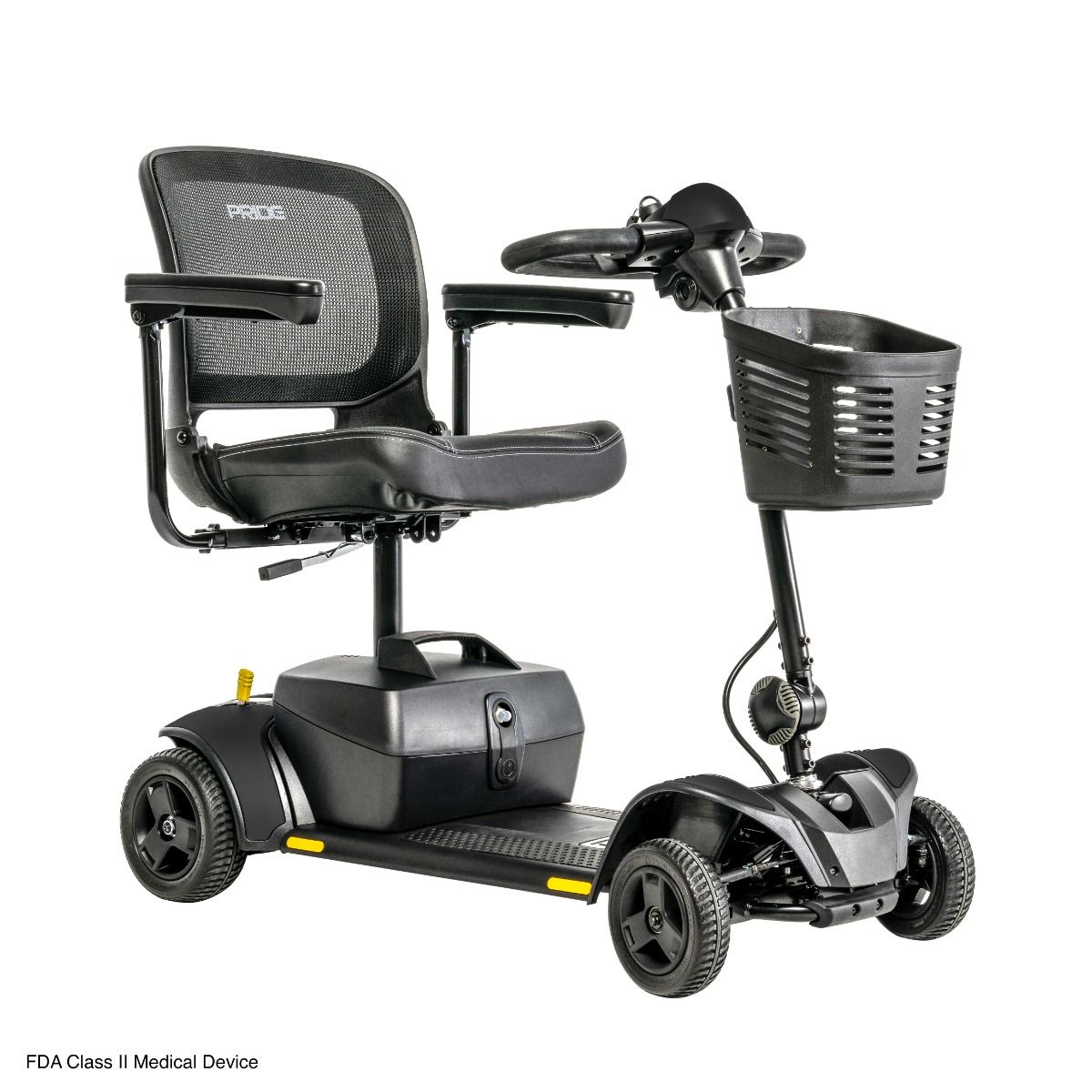
A 4 wheel scooter for adults restores personal independence by removing the 1,000-foot walking limit often caused by joint inflammation or respiratory fatigue. Data from a 2025 survey of 1,800 users showed that 72% felt a major reduction in social isolation within the first 90 days of use. These devices provide a 15-mile travel radius per charge and feature 400W motors that maintain a 5.0 mph speed on 10-degree inclines, allowing users to handle grocery shopping and community visits without relying on third-party assistance or family members.
The physical ability to leave the house without a companion is the first step in reclaiming a private life. A 2024 study by mobility researchers in the UK found that seniors using powered devices increased their weekly outdoor excursions from an average of 1.4 to 4.8 trips. This change is supported by the mechanical stability of the four-wheel design, which offers 42% more lateral resistance against tipping than three-wheel models when navigating uneven sidewalk transitions or driveway aprons.
Stability on these surfaces comes from the rectangular footprint that keeps the center of gravity between four wide contact points. This layout ensures the vehicle stays upright even if one wheel hits a 2-inch stone or a patch of soft lawn. Because the user no longer worries about losing their balance, they are more likely to visit local parks or outdoor markets that were previously too risky to navigate on foot or with a less stable device.
Engineering tests from 2025 confirm that a 4 wheel scooter for adults maintains 100% ground contact on 12-degree side slopes, while three-wheel units begin to lift at just 7.5 degrees of tilt.
This mechanical confidence leads directly to an increase in solo errands like grocery shopping and pharmacy visits. Most high-performance scooters feature a weight capacity of 300 to 500 lbs, allowing the user to carry 40 lbs of supplies in the front and rear baskets without straining the motor. Being able to transport goods independently reduces the need for paid delivery services or asking neighbors for help by roughly 60% according to 2025 consumer data.
| Independence Metric | Walking/Manual Aid | 4-Wheel Scooter Usage |
| Max Daily Range | 0.25 - 0.5 miles | 12 - 25 miles |
| Terrain Capability | Flat pavement only | Grass, gravel, 10° hills |
| User Energy Drain | 80% after 20 mins | 5% over 4 hours |
| Carrying Capacity | < 10 lbs | 40 - 100 lbs |
Battery life is a primary technical factor because it determines how far a user can go before they must return home to a power outlet. Modern LiFePO4 batteries provide a 300% longer lifespan than traditional lead-acid batteries, lasting for 3,000 charge cycles or roughly seven years of daily travel. This longevity means the user has a predictable transportation tool that won't fail during a 10-mile round trip to a friend's house or a community center.
Ground clearance also dictates the freedom of a user's route, as a 4-inch clearance allows the scooter to overcome standard American curb cuts and small debris. Indoor-only models often have clearances of 2 inches or less, which forces the user to take long detours to find perfectly smooth paths. With an outdoor-rated 4-wheel model, the user saves an average of 15 minutes per trip by taking direct routes through varied suburban terrain.
A 2025 field test involving 400 participants showed that dual-suspension systems reduced the vertical vibration felt by the user by 40% when driving over brick-paved surfaces.
Reducing physical discomfort allows for longer durations of independence, as users can stay in the vehicle for four hours without experiencing hip or back pain. Captain's seats with 3-inch memory foam padding and adjustable seat posts allow for a customized fit that supports the skeletal system. When the body is not fighting for comfort, the mind can focus on social interaction and the surrounding environment, which improves the overall quality of the outing.
Safety features like electromagnetic braking and LED lighting packages ensure that independence doesn't end when the sun goes down. Automatic brakes stop the vehicle the moment the throttle is released, holding a 350-lb load on a 15% ramp without any manual effort. Statistical reports from 2024 indicate that 360-degree LED lighting reduces the risk of collisions at intersections by 70% during dusk or low-visibility weather conditions.
Automatic braking is essential for users with limited hand strength, as it requires 0 lbs of grip pressure to hold the scooter stationary on a hill.
The portability of modular designs allows users to maintain their independence even when traveling to visit family in other states. These scooters break down into five sections, with the heaviest part typically weighing 38 lbs, which fits into the trunk of a standard sedan or SUV. This modularity means the user doesn't have to wait for a specialized van and can join family outings to museums or national parks immediately upon arrival.
Long-term usage of a 4 wheel scooter for adults is linked to a 25% lower risk of clinical depression because it prevents the isolation caused by being "homebound." The ability to spontaneously decide to go to a local cafe or a library restores the sense of time-management that adults often lose when they stop driving cars. This return to a normal schedule is a primary factor in maintaining cognitive health and a positive outlook during the senior years.
Maintenance for these units is minimal, requiring only a monthly tire pressure check and an annual terminal cleaning, which keeps the total cost of ownership under $120 per year. This affordability makes the scooter a sustainable solution compared to the high costs of hiring home health aides for basic transportation. By providing a low-cost, high-reliability way to move through the world, the 4-wheel scooter remains the most effective tool for private, unassisted living.